

No matter what language you want to learn: The process is always the same. Because even though each one has its own grammar, rules, and unique features, there is a set path that leads to success - but only very few learners follow or know it. Here I'll explain step by step how it works and which apps and resources can help!"
Language Learning Step by Step
All language learning follows a basic process we already followed as a child. The method never changes, only how we approach it. And adults are often very keen on switching it up, which makes learning so hard. That's why I also made a video in which I not only explain the process, but also how to motivate yourself to do it! Don't mind the German title and thumbnail. The video also has a self-made English dub!
1. Get an overview
First, you should take a look at what exactly you want to learn. Check how the language is structured and what unique features it has. Some questions you should ask yourself are:
- What script or scripts does the language use?
- Is it heavily context-dependent, or not so much?
- Are there any particular features in the pronunciation?
- How closely related is the language to one you already know?
This way you'll find out what to focus on while learning!
2. Learn the script
The second point applies to all languages that don't use Latin letters: Learn their script. Because even though it's often possible to transcribe the words using Latin letters, this always distorts things a bit and can sometimes even lead to confusion with pronunciation.
3. Get a grammar overview
It's debated in linguistics how much of an advantage grammar knowledge provides when learning a foreign language. However, a few basics can't hurt. Just don't make the big mistake that most learners make, who end up burying themselves more in grammar rules than in actually learning the language. First and foremost, answer the following questions:
- Where do subject, object, and verb go in a sentence?
- Are there conjugations and how do they roughly work?
- How do you describe nouns and actions (adjectives and adverbs)?
- Are there any other grammatical features?
The point here is that you have a general idea of how to figure out the meaning of sentences. But all of this shouldn't hold you up for more than a few weeks.
4. Immerse yourself in the language
This point is the actual learning and what you'll spend most of your time on when learning a language. It's primarily about building comprehension. Because that's the foundation of all communication. The process is quite simple:
- Find books, videos, podcasts, and more made for native speakers
- As a beginner, it can be worthwhile to start with simpler works. Such as children's books.
- Start reading / watching / listening
- Use a dictionary to look up every unknown word
- Make sure you understand every sentence as a whole
Apps simplify the process! Nowadays you no longer have to look up every word manually. There are special language learning apps that let you view websites and videos etc. within them and look up word meanings. This reduces the process to simply "clicking on a word". The two best ones are the following:
Supported Languages: Even though Migaku seems to be focused on Japanese, they support way more languages. Among them are also Spanish, French, Italian, Korean and Chinese. New ones are also added from time to time. LingQ on the other hand supports over 50 languages - including some very niche ones. I personally prefer Migaku though, as they do a lot of manual work for each supported language, leading to a better app experience.
The following gallery shows you how it works using a Japanese video as an example. This function works with all supported languages and is also available for Websites and ebooks.
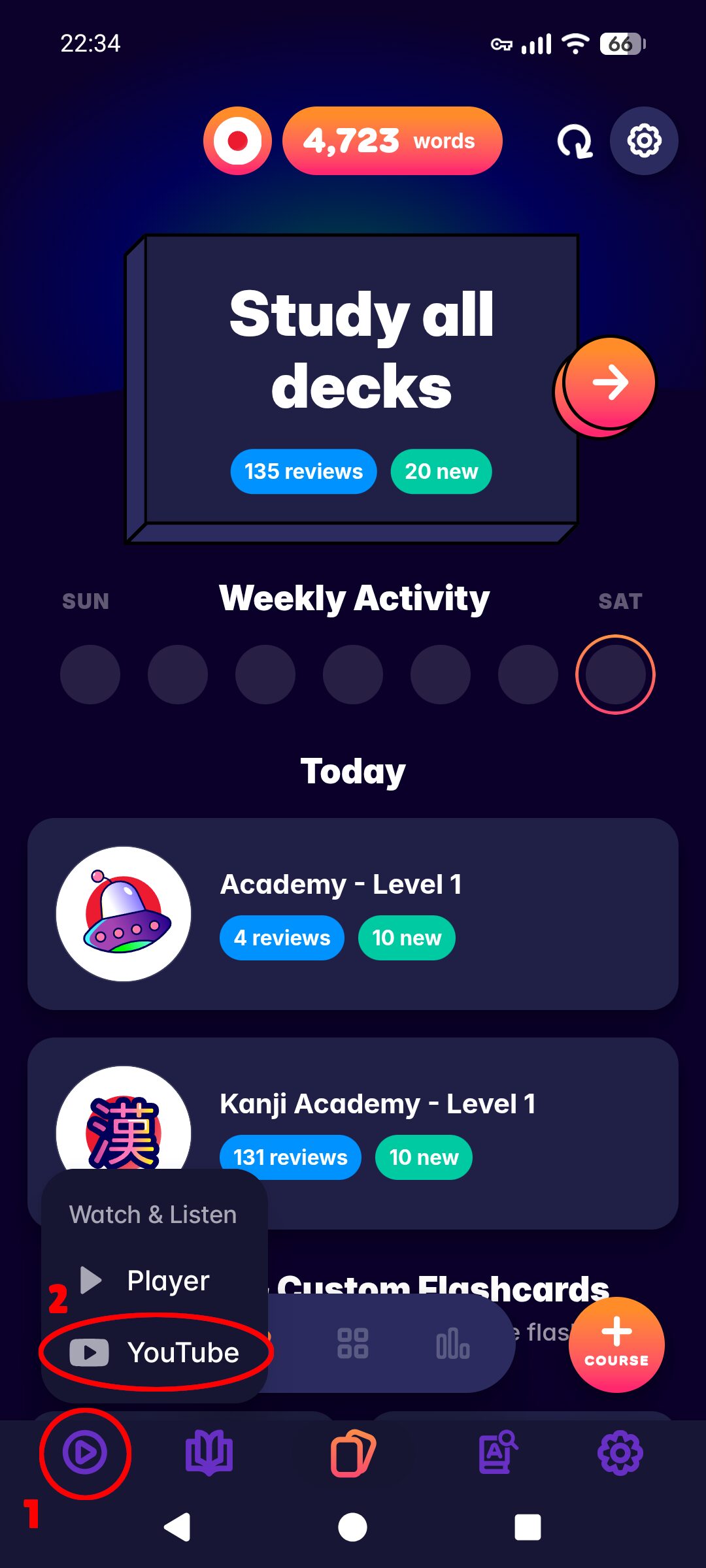
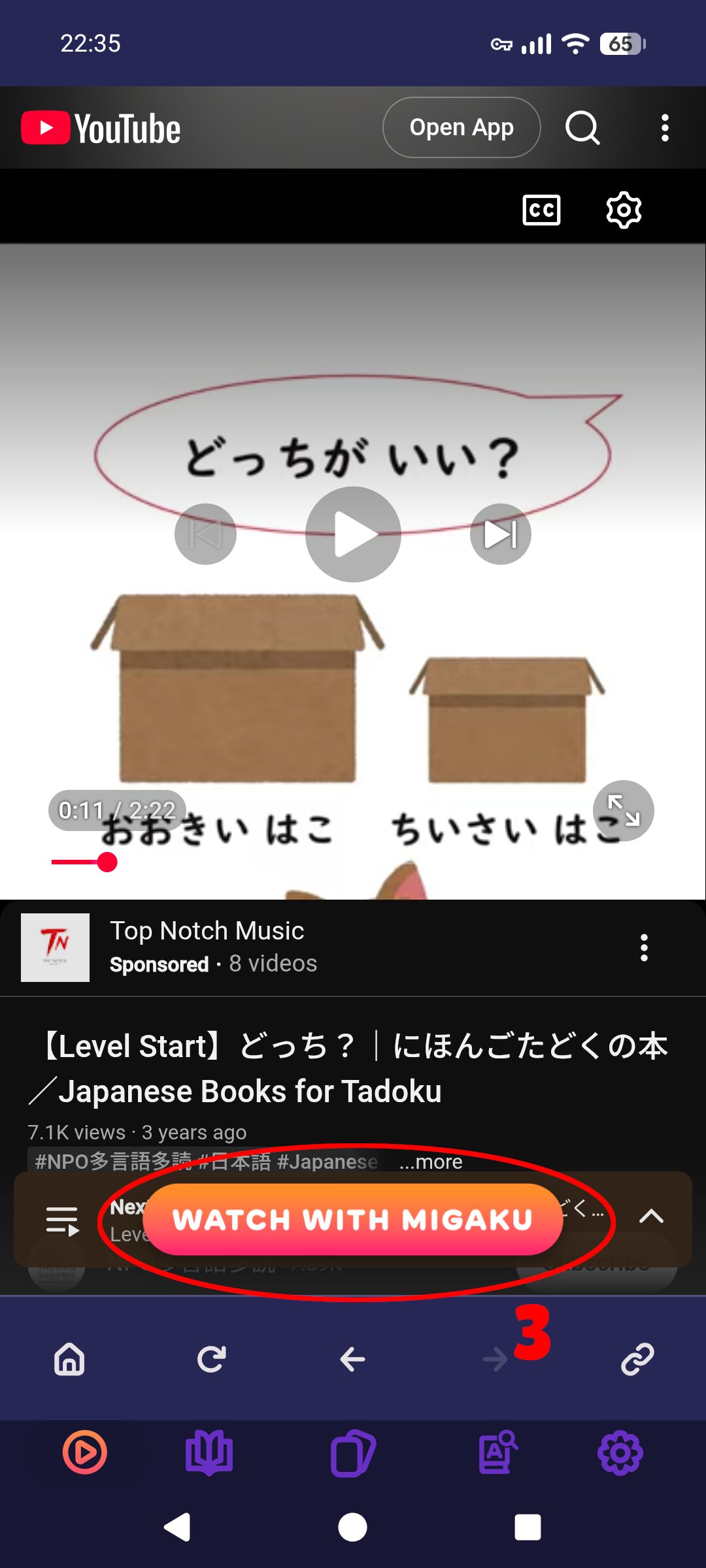
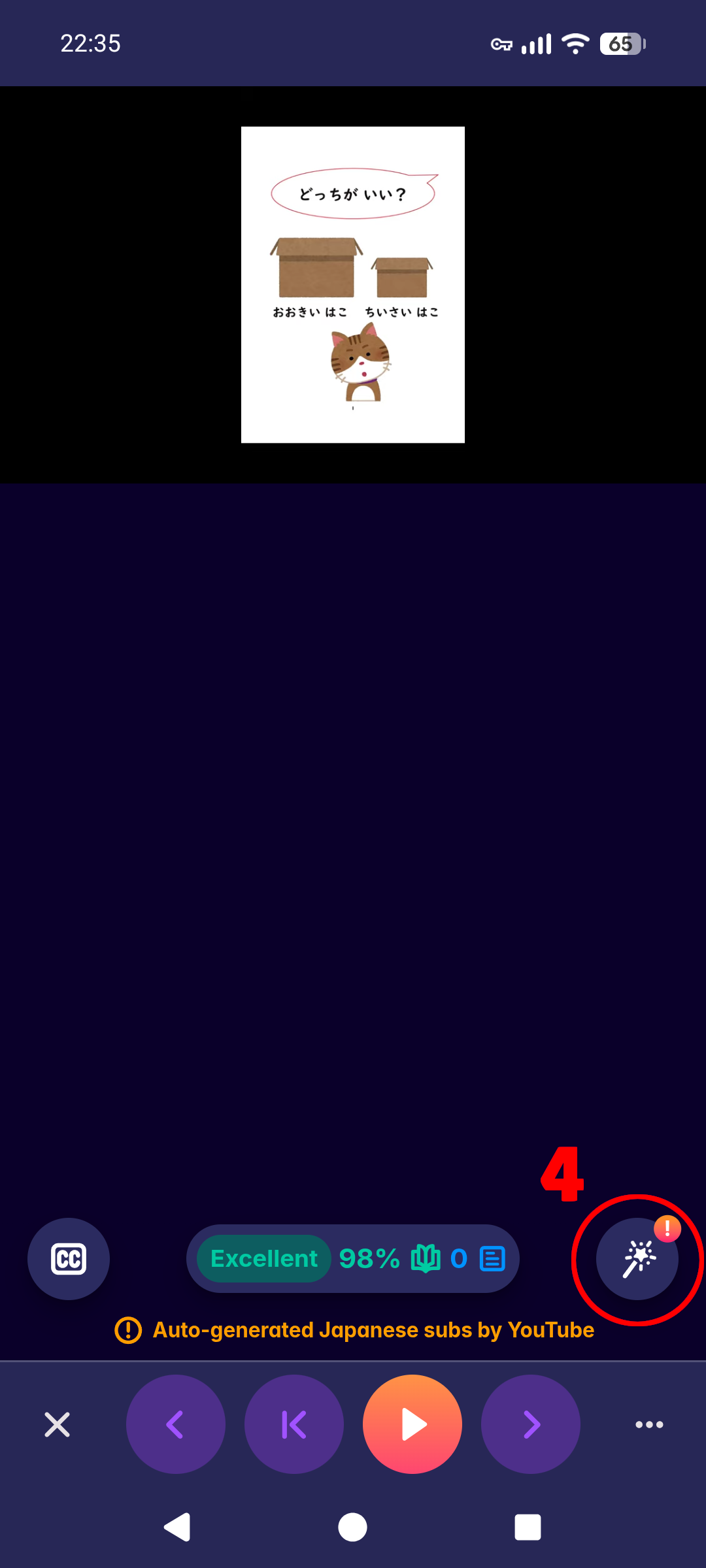
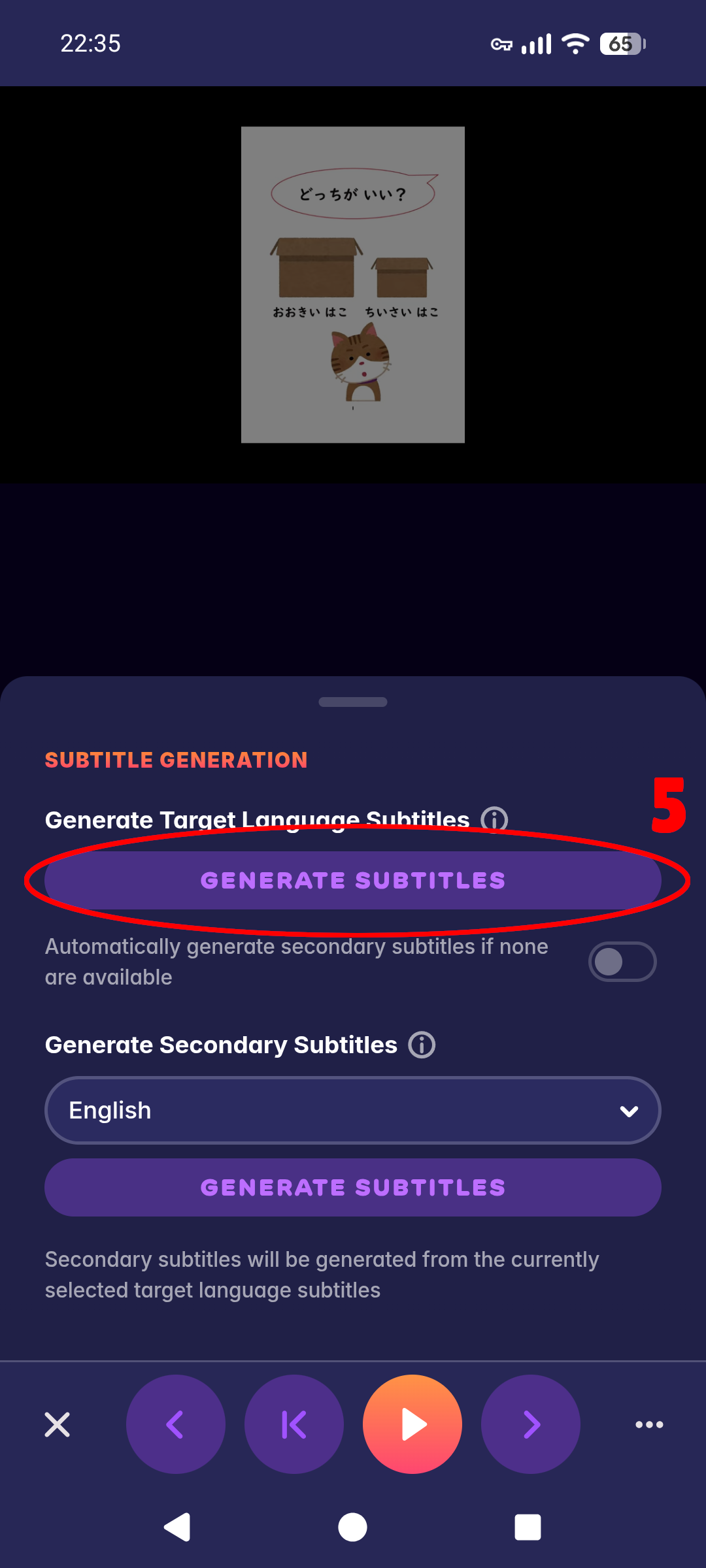
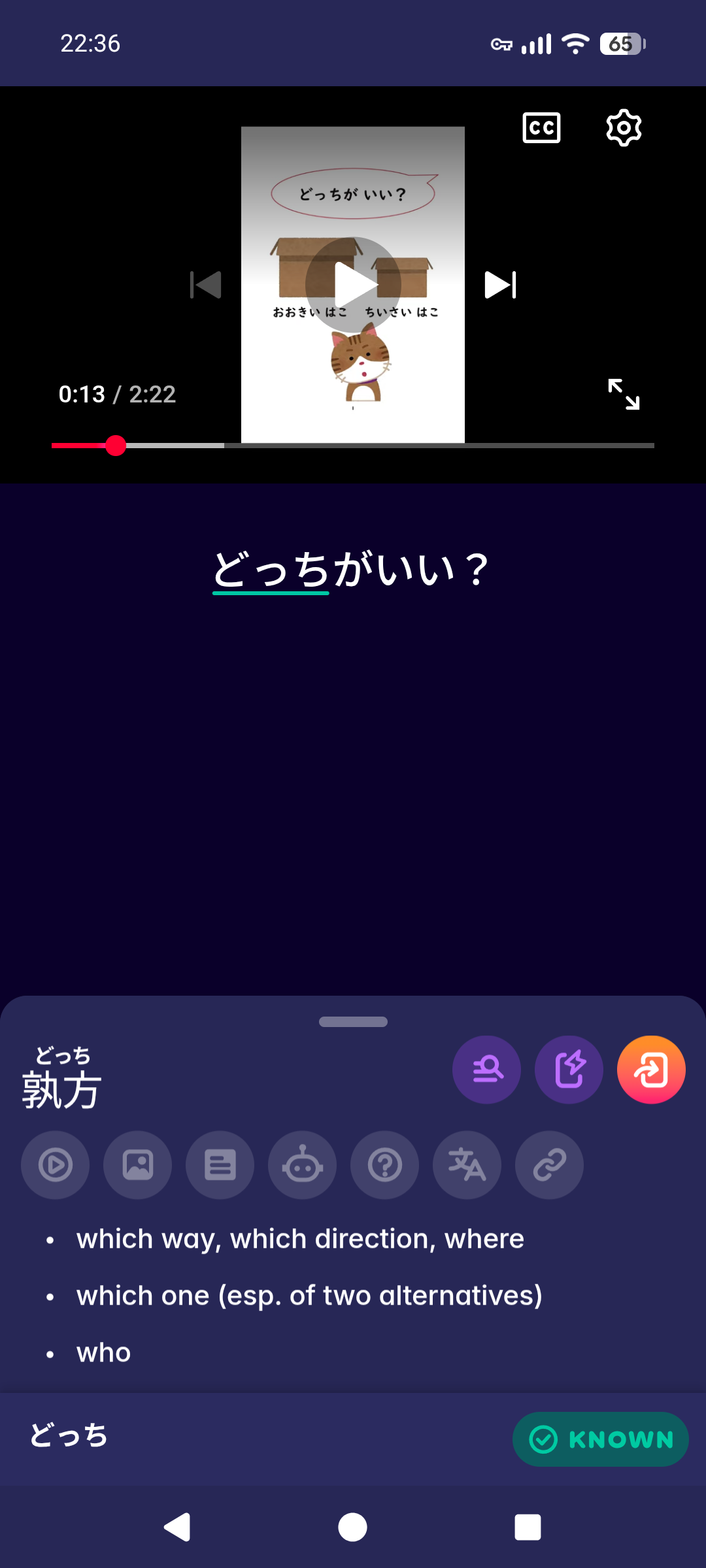
If you want to use flashcards as a supplement - which isn't strictly necessary - then with these apps you can even create cards directly from context!
Migaku can also be particularly worthwhile depending on the language. Because they're gradually adding courses that take you from zero to the point where you can continue learning with native material. And if you are looking for more worthwhile language learning apps, you can click on the following green button:
5. Practice Writing and Speaking
Writing and speaking is something most learners want to rush into. Often they want to start with it right away. However, you need to be able to understand enough first. Obviously: If you say something and don't understand the response, no conversation can happen. And if you don't know how native speakers express something, you can't do it yourself either.
When you can start with this varies from language to language. The more closely related the foreign language is to one you already know, the sooner you can tackle it. Because the sooner you can recognize unfamiliar things based on language similarities and context, and thereby also learn something new in a conversation. Then you can use platforms like the following:
- Google Docs: Here you can write texts and use the spelling and grammar check to find out if you still need to improve your sentences. Of course: Automated tools like these aren't perfect.
- HiNative: An exchange platform where native speakers correct your sentences. However, I have to say that you get answers less frequently here since new users have to pay before they're allowed to ask questions.
- Discord: Search for channels in your target language about your hobbies, where you can talk with native speakers.
However, that it doesn't help much when languages you know and the one you're learning have hardly any similarities, I discovered myself during my exchange studies. Because there I tried to improve through constant speaking, but was quickly confronted with reality, as I explain in my video:
6. Stay consistent!
Ultimately, you just need to stick with this core process and trust the natural progression that already led you to acquire your native language as a child. That sounds simple, but many fall into one of the typical traps here, such as:
- Method-switching: As soon as they feel they're not seeing immediate progress, many keep switching methods instead of giving the whole thing enough time.
- App addiction: A whole range of learners start spending more time trying out all sorts of learning apps, hoping that typical quizzes with slightly different question formats will suddenly bring a breakthrough.
- Endless course cycle: Similarly, many hope that the fourth, fifth, or sixth course will suddenly bring a breakthrough, even though it already didn't work with all the ones before.
However, if you really read and listen to something in your foreign language every day, you'll notice over time how you naturally understand more and more, while simultaneously looking up fewer and fewer words.
